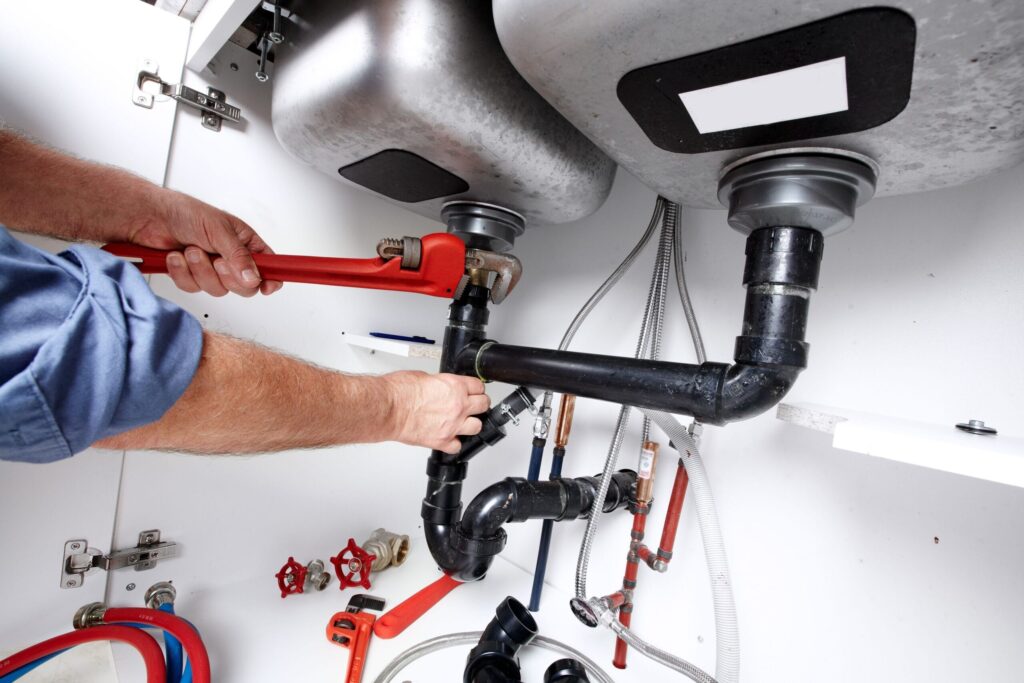
We act as a commercial plumber for many local and residential businesses
Pipe Repair, Repiping & Water Line Replacement in Clermont, GA
The plumbing system in your home is a complex network of pipes, valves, and lines that work together to deliver clean water and remove waste. Most of the time, these pipes are out of sight and out of mind, hidden behind walls, under floors, or buried underground. However, when a pipe fails, it quickly becomes the center of attention. At Clermont Plumbing Pros, we specialize in comprehensive pipe repair, pipe installation, and main water line services. We are dedicated to maintaining the integrity of the plumbing infrastructure for residents and businesses throughout Clermont.
Get Inspection Now!
Leaking or Aging Pipes? Get a Professional Pipe Inspection in Clermont
Trusted Pipe Repair, Repiping and Water Line Experts in Clermont, GA | Clermont Plumbing Pros
Clermont Plumbing Pros handles pipe repair, whole house repiping, water line repair, water line replacement, main water line leak repair, slab leak detection, burst pipe repair, and frozen pipe repair for homeowners throughout Clermont, Georgia and out toward Alto, Lula, Cornelia, Demorest, and Cleveland. Around here, older homes near the original part of town often still run galvanized pipe from decades back, and well water common in the surrounding county tends to accelerate corrosion inside older lines faster than municipal water does. We start every call with thorough leak detection rather than guessing, we keep disruption to a minimum by opening up only what’s necessary, and we offer fast same day response when a pipe fails without warning. A slow leak behind a wall and a burst pipe flooding a hallway both call for the same attention, just on a different timeline. Here’s a closer look at the pipe and water line problems we handle most for homeowners around the area.
Common Pipe and Water Line Problems We Fix in Clermont
Burst Pipe Repair
A burst pipe can dump gallons of water into a home within minutes, and the damage compounds fast the longer it runs before someone shuts off the main valve. Fixing a burst pipe emergency isn’t just about stopping the leak, it’s about assessing what caused the failure so the same spot doesn’t fail again once the repair is done.
Recognizing the Problem
- Water spraying or pooling suddenly with no warning
- A section of ceiling or wall that’s visibly sagging or wet
- Water pressure dropping suddenly throughout the house
- A hissing or rushing sound coming from inside a wall
- Water pooling near a foundation wall or crawl space access
- A spike in water usage with no clear explanation
- Flooring that feels soft or spongy underfoot
We shut off the water at the main valve first, then locate the exact failure point before opening any drywall or flooring, since guessing usually means more demolition than necessary. We replace the failed section with material suited to the rest of the system, matching copper to copper or transitioning cleanly to PEX, then pressure test the repair before closing anything back up.
Leaking Pipes in Walls or Ceilings
A hidden leaking pipe in a wall rarely announces itself right away, usually showing up as a damp patch, a musty smell, or a water bill that’s climbed for no obvious reason. By the time it’s visible, the leak has often been active for weeks, which means mold and structural damage are already part of the equation.
Recognizing the Problem
- A water stain spreading slowly across a ceiling or wall
- A musty smell in one particular room or closet
- Peeling paint or bubbling drywall in one spot
- A section of flooring that feels warm or damp
- A water bill that’s climbed without a clear reason
- Sound of water running when every fixture is off
- Visible mold growth along a baseboard or wall seam
Leak detection in walls starts with listening equipment and moisture readings rather than opening drywall at random, which keeps the repair targeted. Once we’ve narrowed down the location, we open just enough to reach the pipe, make the repair, and patch the access point cleanly.
Frozen Pipe Repair
Frozen pipe repair in winter becomes a real concern any time a hard freeze catches exposed pipe off guard, usually in a crawl space, an outside wall, or an unheated garage. Freezing doesn’t just block water flow, the ice expansion inside the pipe can crack it even before it fully bursts, so a frozen pipe often means a repair is coming even if nothing’s leaking yet.
Recognizing the Problem
- No water coming from a specific fixture during a cold snap
- Frost visible on an exposed section of pipe
- A pipe that feels unusually cold to the touch
- Bulging or visible deformation along a pipe run
- Water dripping slowly as ice begins to thaw
- A sudden leak appearing right after a hard freeze
- Reduced pressure at a fixture connected to an exterior wall
We thaw a frozen section carefully using controlled heat rather than an open flame, checking for cracks along the way since a pipe that froze once often has hidden damage. We inspect the full run, replace any compromised section, and talk through insulation options for that spot.
Repiping Entire Homes
Repiping an entire home is a bigger decision, usually reserved for houses where the existing pipe material has failed in multiple places or is simply too old to keep patching. Replace galvanized pipes situations are the most common trigger, since galvanized lines corrode from the inside in a way that isn’t fully visible until a section fails.
Recognizing the Problem
- Multiple pipe repairs needed within the past year or two
- Water pressure that’s dropped gradually across the whole house
- Rust colored water coming from multiple fixtures
- Visible corrosion on any exposed pipe sections
- A home with its original plumbing from several decades ago
- Recurring pinhole leaks in different spots
- Water that smells or tastes metallic
Copper repiping services and PEX pipe installation are both options depending on the home’s layout and budget, and we walk through both before starting. A full repipe usually happens over a few days depending on the home’s size, done room by room so the household isn’t without water the entire time.
Water Line Repair and Replacement
The water line connecting the house to the meter is easy to forget about until it fails, and when it does, the damage often shows up in the yard before it’s obvious inside the house. Water line repair for condo units and single family homes both come up regularly, though the approach differs based on how the line is shared or individually owned.
Recognizing the Problem
- A soggy or unusually green patch in the yard
- Water pressure dropping across the entire house
- A water bill that’s climbed with no clear cause
- Discolored water from multiple fixtures at once
- Sound of water running when nothing’s turned on
- Soft or sinking ground near the water meter
- An old service line that’s due for attention
We locate the line and pinpoint the leak with listening equipment before any digging starts, which limits how much yard needs to be disturbed. Depending on the line’s condition, we offer water line replacement same day in straightforward cases, though more involved jobs take a bit longer.
Main Water Line Leak Repair
A main water line leak repair situation usually starts subtly, a slightly higher water bill or a patch of ground that stays wet longer than it should, and gets more obvious as the leak grows. Left alone, a failing main line can eventually undermine a driveway or a section of yard.
Recognizing the Problem
- Water bill that keeps climbing month over month
- Sound of running water near the meter with nothing on
- A wet or sinking spot along the line’s likely path
- Low pressure throughout the entire house
- Water pooling at the street or property line
- Unusually lush or green grass in one specific strip
- A meter that keeps spinning even with everything shut off
We confirm the leak is on the customer side of the meter before recommending any repair, since utility owned sections are handled differently. From there we decide between a targeted repair and a full replacement based on the line’s material and overall condition.
Low Water Pressure from Pipe Issues
Low water pressure pipe fix situations usually come down to one of a few causes, mineral buildup narrowing older pipes, a partially closed valve, or a hidden leak reducing flow somewhere in the system. It’s easy to assume it’s a fixture problem, but pressure loss throughout the whole house usually points further upstream.
Recognizing the Problem
- Pressure that’s dropped gradually over months rather than suddenly
- Every fixture in the house affected at once
- Pressure that varies depending on which fixtures are running
- Rust colored water appearing along with the pressure drop
- A noticeable difference between hot and cold side pressure
- Pressure that’s fine outside but weak indoors
- Recently noticed after other plumbing work was done nearby
We check pressure at multiple points to narrow down whether the issue is isolated or system wide, then inspect the likely culprits, older galvanized sections, a failing pressure regulator, or mineral scale. Once we’ve found the cause, we can usually resolve it without replacing more pipe than necessary.
Slab Leak Detection and Repair
A slab leak is one of the more frustrating pipe problems a homeowner can face, since the signs are subtle at first, a warm spot on the floor, a faint hissing sound, or a water bill that keeps climbing. Slab leak repair in older homes especially requires care, since aging pipe and years of ground movement both play into how these leaks develop.
Recognizing the Problem
- A warm or damp spot on an otherwise normal floor
- Sound of running water with no fixture in use
- Cracking in flooring or baseboards near the slab
- An unexplained rise in water bills
- A musty smell with no visible source
- Low pressure paired with a higher than usual bill
- Mold or mildew showing up near the floor line
We use listening equipment and pressure testing to pinpoint a slab leak’s exact location before any concrete gets touched. Depending on where the leak sits, rerouting the line above the slab sometimes makes more sense than repeatedly cutting into concrete for the same issue.
Pipe Repair vs Full Repiping in Clermont
Deciding between a repair and a full repipe comes down to a few practical questions, how old the pipe is, what material it’s made from, and how many times it’s already needed attention. A single pinhole leak in an otherwise sound copper line is usually a straightforward repair. The calculation changes when the same failure keeps happening in different spots, which usually means the pipe itself has degraded.
Galvanized pipe is the material that most often tips the decision toward a full repipe, since it corrodes from the inside in a way that isn’t visible until a section fails. A home that’s already needed two or three patch repairs within a year or two is usually a better candidate for repiping than another targeted fix, since the material itself is the problem. Polybutylene pipe, common in some homes built decades ago, carries similar concerns since it’s prone to failure at fittings.
A recent example involved a home already patched twice in the same general area, and rather than patch it a third time, repiping that portion solved the problem for good instead of buying another year before the next leak. A newer home with a single isolated leak from an accidental nail puncture during a remodel needed nothing more than a targeted repair, since the rest of the system was sound.
The honest answer is that repiping makes sense when the pattern of failures points to the material itself, not just bad luck in one spot. We walk through the specific situation at each home before recommending either path, since the right call depends more on what we actually find than a general rule.
Water Line Repair and Replacement Services in Clermont
The line connecting a home to the water meter doesn’t get much attention until it fails, usually showing up as a soggy patch in the yard, a pressure drop, or a climbing water bill. Older properties throughout the county, especially those with their original service line from decades ago, are the most likely candidates for a failing main line, since older materials don’t hold up as well as what’s used today.
We locate the leak using listening equipment before any digging starts, keeping excavation limited to where it’s needed. From there, the decision comes down to whether a section repair addresses the problem or whether the whole line has reached the point where full replacement makes more sense. A line that’s failed once in an otherwise sound section is often a good repair candidate, while wear across the whole length usually calls for replacement.
Modern materials hold up considerably better than what was commonly installed decades ago, and when we replace a line, we talk through the options so the choice matches the property’s layout. Whether it’s a repair or a full replacement, we keep the process contained, working efficiently so a yard isn’t torn up longer than necessary.

Why Clermont Homeowners Choose Clermont Plumbing Pros for Pipe and Water Line Service
Local Expertise with Older Homes and Pipe Materials
We’ve worked on enough older homes throughout this area to recognize galvanized pipe, early PVC, and the occasional section of polybutylene on sight, along with how each material tends to fail. A home near the older part of town had a recurring leak that earlier work had patched twice without addressing the actual galvanized section causing it, and once we replaced that run, the problem stopped for good.
Root Cause Fixes and Full Repiping When Needed
We’d rather diagnose the actual cause of a recurring pipe problem than patch the same spot a third time. One property had two separate pinhole leak repairs within eight months, and rather than treat the next leak as isolated, we recommended repiping that section since the pattern pointed to failing galvanized pipe. The homeowner avoided a third emergency call by addressing the material itself.
Respect for Your Home and Minimal Disruption
Pipe work often means opening a wall or digging in a yard, and we keep disruption contained, using listening equipment and moisture readings to target the exact repair location rather than guessing. One homeowner was relieved a slab leak repair only required opening a small section of flooring instead of the larger area she’d expected. We clean up thoroughly, treating the space the way we’d want our own home treated.
Skilled with Modern Materials Like PEX and Copper
Copper repiping services and PEX pipe installation both come up regularly, each with its own advantages depending on the home’s layout. PEX offers flexibility that makes routing through tight spaces easier with fewer joints, while copper remains a durable, well understood option. We walk through both so the choice fits the specific home rather than defaulting to whichever is quickest to install.
Fast Response for Burst Pipes and Water Line Emergencies
A burst pipe or major water line failure doesn’t wait for a convenient time, and neither do we. One family dealing with a burst pipe flooding a hallway on a weekend had someone on site within the hour, since active water damage moves to the front of every schedule. Fast response matters most in the first few minutes, which is when we prioritize getting there.
Our Pipe and Water Line Service Process in Clermont
1. You reach out
Whether it’s a slow leak or a burst pipe emergency, reach out to us for assistance and describe what’s happening. That first conversation helps us bring the right tools and materials for the job.
2. We schedule and arrive
We find a time that works for routine repairs, and for anything urgent like a burst pipe or a major water line failure, we move quickly to get someone out the same day.
3. Thorough diagnosis and clear explanation
We use listening equipment and pressure testing to pinpoint the actual problem before opening anything up, then explain what we found and what the repair involves.
4. Repair or replacement
We complete the work using materials suited to the rest of the system, whether that’s a targeted repair or a larger repiping or water line replacement project.
5. Final testing and cleanup
We pressure test the finished work, confirm everything’s holding, and clean up the work area before considering the job done.
Pipe and Water Line Service Area in and Around Clermont, Georgia
We handle pipe repair, repiping, and water line work throughout Clermont and out into the surrounding towns, covering everything from older homes near downtown to newer construction along the county roads. That includes regular calls out toward Alto, Lula, Cornelia, Demorest, and Cleveland.
- Clermont, Georgia
- Alto, Georgia
- Lula, Georgia
- Cornelia, Georgia
- Demorest, Georgia
- Cleveland, Georgia
- Gainesville, Georgia
- Baldwin, Georgia
- Mount Airy, Georgia
- Clarkesville, Georgia
True local pipe and water line service means understanding which older neighborhoods are more likely to have galvanized supply lines and which properties still rely on a private well, not just showing up with a generic toolkit. We bring that same local knowledge to every call across the service area.
Professional Pipe Repair vs DIY Attempts
Pipe work looks simple in an online video, but a small mistake with water lines can cause damage far more expensive than the original problem. A DIY repair often uses the wrong fitting or material for what’s already in place, which can lead to a leak at the connection point within months. Mixing incompatible materials, like joining galvanized pipe directly to copper without the right fitting, causes accelerated corrosion right at that junction.
Hidden leaks are another area where DIY attempts fall short. Without listening equipment or moisture detection tools, it’s easy to open the wrong section of wall or floor entirely, turning a contained repair into unnecessary demolition. A leak behind a different wall than where the stain shows up is a common surprise, since water travels along framing before it becomes visible.
Excavation for a water line repair carries its own risks too, digging without knowing exactly where other utility lines run can cause a much bigger problem than the original leak. Improper backfill after a DIY dig can also lead to settling issues under a driveway or walkway months later.
Older homes add another layer of complexity, since galvanized and polybutylene pipe both need a different approach than modern PEX or copper, and a method that works on a newer system can cause more harm on older pipe. Calling a professional at the first sign of a leak usually costs less in the long run than several DIY attempts that each address the wrong part of the problem.
Plumbing Pro Services
Complete Plumbing Care for Your Entire Home
Whether it’s the kitchen, bathroom, or sewer line, we have the tools and training to handle any challenge your plumbing system throws at us.
We Deliver Expert Results
Don’t gamble with your plumbing. We combine years of experience with modern technology to deliver lasting repairs and installations. Our team respects your time and your property.
- Fixture Installation
- Leak Detection
- Modern Diagnostics
- Drain Cleaning
Frequently Asked Questions About Pipe Repair and Water Line Replacement in Clermont
Pipe repair in Clermont?
Yes, pipe repair is one of the most common calls we get, covering everything from a single pinhole leak to a section of galvanized pipe that’s corroded through. We locate the exact problem before opening anything up, then repair using material suited to the rest of the system so the fix holds long term.
Water line replacement in Clermont?
Yes, we handle water line replacement for homes whose service line has failed or is showing wear across its length rather than in one spot. We locate the leak with listening equipment first, then walk through whether a section repair or a full replacement makes more sense before recommending either path.
How do you detect a slab leak?
We use listening equipment and pressure testing to narrow down a slab leak’s exact location before any concrete gets touched. Signs like a warm spot on the floor, a hissing sound, or a climbing water bill usually point us in the right direction first. Once we’ve pinpointed the leak, we decide between a targeted repair and rerouting the line above the slab.
Do you offer repiping for older homes?
Yes, repiping older homes is something we handle regularly, especially houses still running galvanized pipe corroded to the point where patch repairs no longer make sense. We pressure test the system first to confirm the extent of the problem, then walk through whether a partial or full repipe makes more sense.
What causes low water pressure?
Low water pressure usually comes down to mineral buildup narrowing older pipes, a partially closed valve, a hidden leak, or a failing pressure regulator. We check the whole system rather than guessing, since pressure loss throughout the house usually points further upstream than a single fixture.
How soon can you come for burst pipe repair?
Burst pipe situations move to the front of the schedule every time, since active water damage gets worse the longer it runs. Reach out to us for assistance as soon as you notice a burst pipe, and we’ll prioritize getting someone out quickly based on how much water is actively flowing and where it’s headed inside the home.
Signs it’s time to repipe my house?
Multiple pipe repairs within a year or two, water pressure that’s dropped gradually across the whole house, rust colored water from several fixtures, and visible corrosion on exposed sections are all signs it might be time to repipe. When the same failure keeps happening in different spots, the pipe material itself has usually degraded.
What’s the difference between PEX and copper for repiping?
PEX pipe installation offers flexibility that makes routing through tight spaces easier with fewer joints, meaning fewer potential leak points. Copper is a durable, well understood material used reliably for decades. Both are solid choices, and the right one usually depends on the home’s layout and budget more than one being objectively better.
What causes frozen pipe repair needs in winter?
Pipes freeze when they’re exposed to cold air without enough insulation, usually in a crawl space, an exterior wall, or an unheated garage. Hard freezes aren’t common here, which means not every home has been fully protected against them. Once a pipe freezes, the ice expansion can crack it even before it fully bursts, so a frozen pipe often needs inspection even if nothing’s actively leaking yet.
How do you replace galvanized pipes?
Replacing galvanized pipe usually means working section by section, matching the new material, typically PEX or copper, to the rest of the system with the correct fittings to avoid accelerated corrosion at the joint. Depending on the home’s size, a full replacement can take a few days, done room by room so water isn’t out the whole time.
Do you handle water line repair for condo or apartment properties?
Yes, water line repair for condo and apartment properties comes up regularly, though the approach depends on whether the line in question is individually owned or shared among units. We work efficiently around tenants and building access requirements, and we clarify early on which sections fall under an individual owner’s responsibility versus a shared system.
Plumber near me for a burst pipe?
If a burst pipe has you looking for the closest available plumber, we cover Clermont along with Alto, Lula, Cornelia, Demorest, and Cleveland. A burst pipe calls for a fast response to limit water damage, so reach out to us for assistance right away and we’ll get someone headed in your direction.
We handle pipe repair, repiping, and water line work for homeowners throughout Clermont and the surrounding towns, from a single pinhole leak to a full repiping project on a home whose galvanized pipe has reached the end of its life. We diagnose every job honestly before recommending a repair or a larger replacement, and we keep disruption to a minimum. From the older homes near downtown to the newer builds along the county roads, and out toward Alto, Lula, Cornelia, Demorest, and Cleveland, we bring the same care to every call.
Contact us today if you’re dealing with a pipe or water line issue anywhere in the area.
Zip codes we serve: 30527, 30510, 30554, 30531, 30535, 30544, 30528, 30511, 30563, 30523